
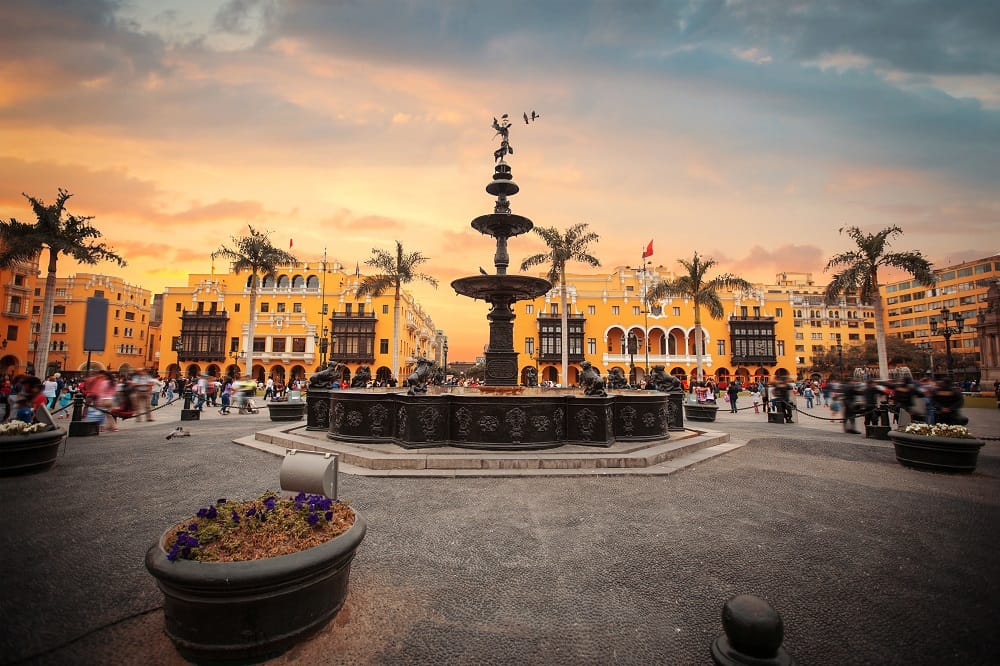
Peru’s capital Lima, epitomizes the blending of Peruvian cuisines, many in existence for almost 70 centuries. Among the African, European, Asian, Arabic and Chinese influences, Creole cuisine is the most dominant. Lima is fast emerging as a new global culinary epicenter.
Peru’s eclectic cuisine has been acknowledged as one of the world’s finest, primarily based on Inca traditions having evolved with many waves of migration. Perhaps the greatest influence is the blend of Japanese and Peruvian techniques, local ingredients and flavors, called Nikkei cuisine, that offers some of the most innovative dishes.
Many critics claim that Peru is the next Scandinavia in the making, while molecular gastronomy is making its way onto every Lima menu.
The best of Peruvian cuisine:
CEVICHE :
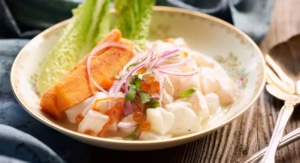
The unofficial national dish would perhaps be ceviche, where bite-size pieces of raw fish are marinated in citrus juices, usually lime. The acidity of the citric juices cook the fish, giving it a delicate flavor and slightly chewy texture. This is usually spiced with red onions and aji peppers, often served with sweet potato or choclo, a white Andean corn. Ceviche restaurants (cevicherías) often close around 4 pm, as the fish caught in the morning is no longer fresh by afternoon.
LOMO SALTADO:
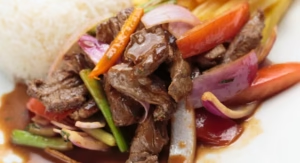
Imagine french fries in a stir-fry or rice and potatoes served in the same dish…this dish breaks all rules. This hybrid Asian fusion stir-fry includes beef, tomatoes, yellow aji peppers, and onions blended in a pan with fried potatoes and seasoned with soy sauce, usually served over white rice.
AJI DE GALLINA:

This rich, velvety stew is made with chicken, yellow aji pepper and condensed milk, thickened with white bread. The vegetarian alternative is the ubiquitous papa a la huancaina, boiled potato prepared in a creamy yellow sauce.
“People who love to eat, are always the best people” – Barranco Partners.